
We are not Watched — this is an independent comparison page for users looking for an alternative.
Watched is app-based with external lists — when you want stability
Watched is an app-based IPTV solution that allows users to access and manage external channel lists. It is designed to provide stability in channel availability and a consistent electronic program guide (EPG) for a seamless viewing experience.
Watched is an app-based player where reliability largely depends on the external playlists/bundles you add, so stability can change whenever links, sources, or EPG data break. VenneTV provides an integrated IPTV setup with a managed channel backend, consistent EPG, and straightforward apps instead of ongoing M3U tinkering. We’ve been active as an IPTV reseller since 2018 and focus on predictable day-to-day usage across devices. On this page, you’ll learn how the Watched model works (app + external lists), where common stability issues come from, and what to look for in a more stable successor setup.

How Watched works: player app + external lists + bundles
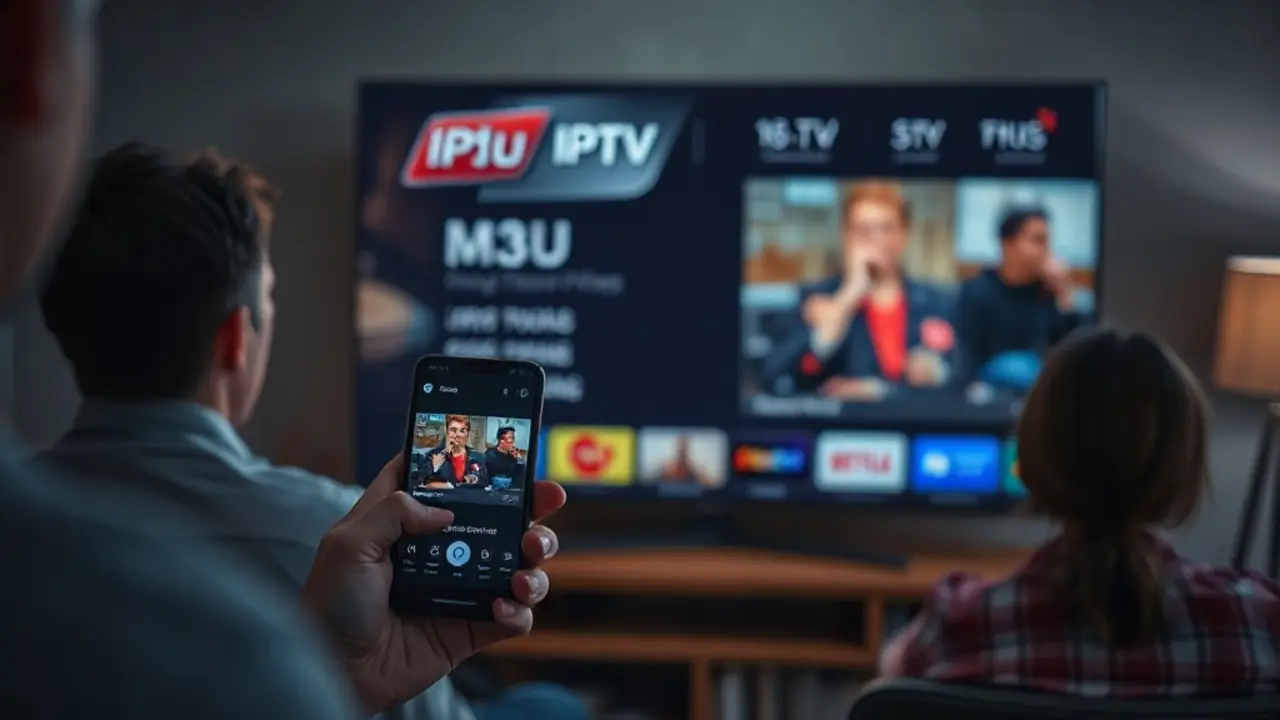
Watched is primarily an app-based player. The app gives you the interface (categories, favorites, playback controls). But the actual content usually comes from external sources you add yourself.
Most setups follow one of these routes:
So the app experience can look polished, but the stability and completeness depend on the list provider: server capacity, link maintenance, and how often they update channels and EPG. That’s why two Watched users can have totally different experiences on the same day—even if they use the same app version.
It’s also why Watched can be “easy today, annoying tomorrow”: when an external list changes format, gets replaced, or stops updating, you have to intervene. The app can’t fix what it doesn’t control.
Most setups follow one of these routes:
- M3U playlist URL: a link to a channel list that the app loads (often with thousands of channels). The list can include stream URLs, channel names, and sometimes groups/categories.
- EPG URL (XMLTV): a separate link that supplies program data. Many lists don’t include reliable EPG, so you add it manually—or accept missing guides.
- Bundles: packaged lists/configurations distributed by third parties. They can be convenient because they “feel” like an in-app catalog, but they’re still external lists behind the scenes.
So the app experience can look polished, but the stability and completeness depend on the list provider: server capacity, link maintenance, and how often they update channels and EPG. That’s why two Watched users can have totally different experiences on the same day—even if they use the same app version.
It’s also why Watched can be “easy today, annoying tomorrow”: when an external list changes format, gets replaced, or stops updating, you have to intervene. The app can’t fix what it doesn’t control.
What external M3U lists mean in practice: maintenance and stability swings
External lists are flexible, but they come with a trade-off: you become the maintainer of your own IPTV setup.
Common tasks you end up doing with a Watched-style workflow:
Stability variations usually come from list quality and infrastructure, not from the app. A well-maintained list with good servers can feel smooth. A poorly maintained list can buffer, break EPG, or change lineups weekly.
The result: if you want “TV that just works” on every device and for everyone in the household, the external-list approach can be fragile. It’s powerful for tinkerers, but it’s not optimized for hands-off, consistent viewing.
Common tasks you end up doing with a Watched-style workflow:
- Replacing dead links: playlist URLs expire, rotate, or get rate-limited. Channels start buffering or fail, and you need a new source.
- Cleaning up duplicates: many M3U lists have multiple versions of the same channel, different naming, wrong logos, or empty groups.
- Fixing EPG mapping: even if you have an EPG URL, channel IDs often don’t match. You see “No information” or wrong schedules.
- Dealing with bundle changes: bundles can update without warning. Channels move categories, favorites break, or the whole bundle disappears.
- Testing alternatives: when one list becomes unstable, you try another—then repeat the same EPG/logo/category work.
Stability variations usually come from list quality and infrastructure, not from the app. A well-maintained list with good servers can feel smooth. A poorly maintained list can buffer, break EPG, or change lineups weekly.
The result: if you want “TV that just works” on every device and for everyone in the household, the external-list approach can be fragile. It’s powerful for tinkerers, but it’s not optimized for hands-off, consistent viewing.
Integrated IPTV vs. M3U tinkering: what changes when the provider controls the backend
An integrated IPTV solution is different in one key way: the app and the channel backend belong together. Instead of you assembling playlists and guides, the provider delivers a ready-to-use lineup and maintains it centrally.
That changes the everyday experience:
This doesn’t mean integrated is “magic” or that buffering can never happen. Streaming quality still depends on your internet, device performance, and network stability. But the major difference is who is responsible for the moving parts. With external M3U lists, you manage them. With an integrated solution, the provider does.
If your goal is less tinkering and more watching—especially for family use—integrated IPTV is usually the simpler path.
That changes the everyday experience:
- Stability is managed centrally: when a stream source needs work, it’s handled on the backend side. You don’t have to swap playlists or hunt for new links.
- EPG consistency: program data is maintained for the channel lineup as part of the system. You’re not trying to match random channel IDs across different lists.
- Updates without user intervention: channel moves, logo changes, and lineup updates happen automatically. Your favorites don’t collapse because a playlist was replaced.
- Same lineup across devices: you can use multiple apps/players and still get the same structure and guide, because the source is controlled.
- Predictable setup: you don’t need to test “which list works today.” You set it up once and use it.
This doesn’t mean integrated is “magic” or that buffering can never happen. Streaming quality still depends on your internet, device performance, and network stability. But the major difference is who is responsible for the moving parts. With external M3U lists, you manage them. With an integrated solution, the provider does.
If your goal is less tinkering and more watching—especially for family use—integrated IPTV is usually the simpler path.
How VenneTV is set up: own channel backend, ready-made lists, auto-updates
VenneTV is built as an integrated IPTV service. You don’t start by collecting M3U sources from different places. Instead, you get a ready-to-use lineup maintained on the backend.
What that means in practical terms:
If you’re coming from Watched, the biggest difference you’ll notice is that you’re not responsible for playlist maintenance. You focus on installing an app (or using the web player), logging in, and watching—while the channel backend stays maintained in the background.
Payment options can include anonymous crypto payment if you prefer that method.
What that means in practical terms:
- 7,000+ live channels plus 18,000+ movies and series in one place. You don’t have to stitch together multiple lists.
- EPG and structure are part of the setup: the guide and channel organization are maintained for the provided lineup, so you get consistent schedules instead of “No information.”
- Auto-updates: changes are handled server-side. You don’t wake up to broken playlists and start troubleshooting.
- 4K UHD where available: higher quality streams exist for supported channels/content when the source provides it.
- Own web player + free app choice: you can watch directly in the browser or use compatible IPTV apps, depending on your device preference.
- No subscription, no contract lock-in: you’re not tied to a long contract. Choose what fits your usage.
- Stable since 2018 with German-language support: useful when you want help with setup on Fire TV, Android, Smart TV, or browser.
If you’re coming from Watched, the biggest difference you’ll notice is that you’re not responsible for playlist maintenance. You focus on installing an app (or using the web player), logging in, and watching—while the channel backend stays maintained in the background.
Payment options can include anonymous crypto payment if you prefer that method.
Setup comparison: Watched workflow vs. VenneTV workflow (what you actually do)
Watched-style setup (app + external lists)
Typical steps look like this:
This can be fine if you enjoy experimenting and don’t mind occasional rebuilds. But it’s also why users describe it as “works until it doesn’t.” The app is stable, the lists may not be.
VenneTV setup (integrated IPTV with maintained backend)
Typical steps look like this:
What you don’t do: hunt playlist URLs, compare bundles, or rebuild your favorites every time a third-party list rotates. Updates happen in the background, so your setup stays consistent across days and devices.
If you’ve ever spent a Sunday evening “fixing IPTV,” this difference matters. It’s less about features on paper and more about how much time you want to spend maintaining your TV.
Typical steps look like this:
- Install the app.
- Find an M3U playlist or bundle source.
- Add playlist URL (and often a separate EPG URL).
- Check categories, rename favorites, remove duplicates.
- Test streams and replace sources when channels fail.
- Repeat maintenance when the list changes.
This can be fine if you enjoy experimenting and don’t mind occasional rebuilds. But it’s also why users describe it as “works until it doesn’t.” The app is stable, the lists may not be.
VenneTV setup (integrated IPTV with maintained backend)
Typical steps look like this:
- Request access (you can start with the 48-hour free trial, email-only, no credit card).
- Pick your viewing method: web player in the browser or a supported IPTV app on Fire TV/Android/Smart TV.
- Log in / add your credentials once.
- Start watching with lineup + EPG already in place.
What you don’t do: hunt playlist URLs, compare bundles, or rebuild your favorites every time a third-party list rotates. Updates happen in the background, so your setup stays consistent across days and devices.
If you’ve ever spent a Sunday evening “fixing IPTV,” this difference matters. It’s less about features on paper and more about how much time you want to spend maintaining your TV.
Who should choose which approach? A simple decision guide
Both approaches can be valid—depending on what you want.
External lists (Watched-style) can fit you if:
An integrated solution (like VenneTV) fits you if:
A good way to decide is to ask yourself one question: Do you want a project or a product?
If you enjoy tinkering, external lists can be interesting. If you want a ready-to-use TV experience—channels, guide, updates—an integrated backend removes most of the recurring work.
VenneTV is designed for that second group: you get a maintained lineup (7,000+ live channels, 18,000+ movies and series), modern playback options (web player + app choice), and a trial option to confirm how it behaves on your internet and devices before you commit.
External lists (Watched-style) can fit you if:
- You like experimenting and changing lists.
- You don’t mind occasional downtime or missing EPG.
- You want maximum control and are okay with manual fixes.
- You mainly watch a small set of channels and can switch sources when needed.
An integrated solution (like VenneTV) fits you if:
- You want stability without constant playlist maintenance.
- You care about a consistent EPG and predictable channel structure.
- You use multiple devices (Fire TV, Android, browser) and want the same experience everywhere.
- You want a straightforward setup you can also hand to family members without explaining M3U/EPG mapping.
- You value being able to contact German-language support when something needs troubleshooting.
A good way to decide is to ask yourself one question: Do you want a project or a product?
If you enjoy tinkering, external lists can be interesting. If you want a ready-to-use TV experience—channels, guide, updates—an integrated backend removes most of the recurring work.
VenneTV is designed for that second group: you get a maintained lineup (7,000+ live channels, 18,000+ movies and series), modern playback options (web player + app choice), and a trial option to confirm how it behaves on your internet and devices before you commit.
Want to skip M3U list hunting and just start watching? Get the 48-hour free trial of VenneTV (email-only, no credit card) and test it on your devices with the web player or your preferred IPTV app.
When you’re ready, you can continue without contract lock-in—and if you need help, German-language support is there.
When you’re ready, you can continue without contract lock-in—and if you need help, German-language support is there.